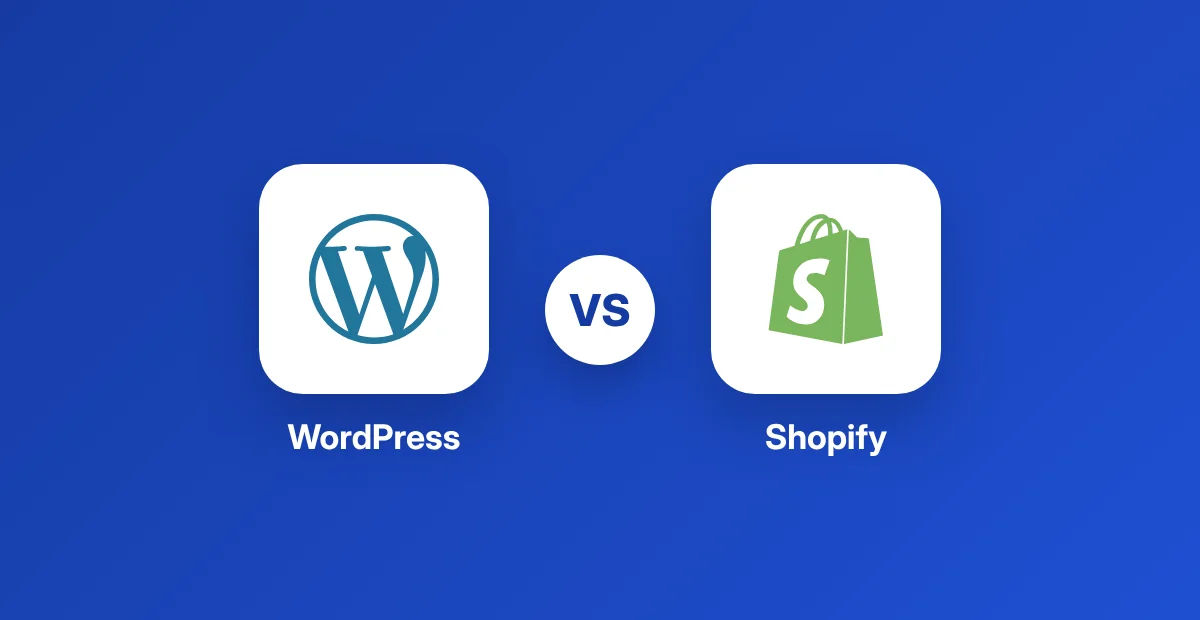
WordPress and Shopify can both power a professional online presence, but they optimize for different priorities. Shopify packages hosting, commerce and operational tools into a managed platform. WordPress offers broad control through themes, plugins and WooCommerce, with more responsibility for hosting and maintenance.
The core difference
Shopify is a managed commerce platform with an integrated checkout and hosting environment. WordPress is an open content-management system that can become an online store through WooCommerce and other extensions. For business owners choosing a website or ecommerce platform, this decision should connect directly to a platform decision based on operations, ownership and growth instead of brand popularity. That keeps the discussion grounded in business value instead of surface-level features or assumptions.
Ease of setup and daily use
Shopify generally reduces technical setup for product-based businesses, while WordPress can be simple or complex depending on the host, theme, plugin stack and editorial workflow selected. For business owners choosing a website or ecommerce platform, this decision should connect directly to a platform decision based on operations, ownership and growth instead of brand popularity. That keeps the discussion grounded in business value instead of surface-level features or assumptions.
Design and content flexibility
WordPress is especially strong for content-rich websites and tailored publishing structures. Shopify offers controlled theme customization that keeps commerce workflows consistent and upgradeable. For business owners choosing a website or ecommerce platform, this decision should connect directly to a platform decision based on operations, ownership and growth instead of brand popularity. That keeps the discussion grounded in business value instead of surface-level features or assumptions.
Ecommerce operations
Evaluate catalog size, variants, payments, shipping, tax, discounts, subscriptions, point of sale, international selling and staff permissions. The best platform is the one your team can operate accurately every day. For business owners choosing a website or ecommerce platform, this decision should connect directly to a platform decision based on operations, ownership and growth instead of brand popularity. That keeps the discussion grounded in business value instead of surface-level features or assumptions.
SEO capabilities
Both platforms can support search visibility when technical foundations, useful content, internal links, metadata and structured data are managed well. Platform choice does not replace an SEO strategy. For business owners choosing a website or ecommerce platform, this decision should connect directly to a platform decision based on operations, ownership and growth instead of brand popularity. That keeps the discussion grounded in business value instead of surface-level features or assumptions.
Costs and total ownership
Shopify combines subscription and app costs with payment considerations. WordPress combines hosting, development, premium extensions, security and maintenance. Compare three-year ownership rather than launch cost alone. For business owners choosing a website or ecommerce platform, this decision should connect directly to a platform decision based on operations, ownership and growth instead of brand popularity. That keeps the discussion grounded in business value instead of surface-level features or assumptions.
Maintenance and security
Shopify manages much of the infrastructure. WordPress owners must coordinate updates, backups, monitoring and compatibility, either internally or through a website care provider. For business owners choosing a website or ecommerce platform, this decision should connect directly to a platform decision based on operations, ownership and growth instead of brand popularity. That keeps the discussion grounded in business value instead of surface-level features or assumptions.
A decision framework
Choose Shopify when streamlined commerce operations and managed infrastructure dominate. Choose WordPress when content architecture, control and extensibility matter more and the business can support maintenance. For business owners choosing a website or ecommerce platform, this decision should connect directly to a platform decision based on operations, ownership and growth instead of brand popularity. That keeps the discussion grounded in business value instead of surface-level features or assumptions.
Build a 30-day implementation plan
Turn the guide into action by choosing one owner, one baseline metric and one outcome for the next 30 days. During week one, document the current state and remove obvious errors. During week two, implement the smallest high-value improvement. During week three, observe real use and collect questions. During week four, compare the new result with the baseline and decide what to standardize, revise or stop.
Keep the plan intentionally narrow. Teams make more progress when they complete one measurable cycle than when they open ten initiatives at once. Store decisions, credentials, content and process notes in systems the team controls. When outside specialists are involved, confirm ownership, access and handoff requirements before work begins.
If you want help translating this plan into a working system, explore DigiDesk’s web development services or book a strategy call.
Frequently asked questions
Is Shopify better than WordPress?
Neither is universally better. Shopify is often simpler for commerce operations; WordPress offers more control for content-heavy and highly tailored sites.
Can WordPress run an online store?
Yes. WooCommerce is an open-source ecommerce platform built for WordPress and supports products, orders, payments and extensions.
Which platform is better for SEO?
Both can rank. Results depend more on content quality, technical implementation, site architecture, authority and ongoing optimization.
Can I migrate later?
Yes, but migrations require careful product, content, URL, customer-data and redirect planning. Choosing deliberately now reduces future cost.
Sources and further reading
Next steps
A platform decision based on operations, ownership and growth instead of brand popularity starts with a clear baseline and a focused first improvement. Review the checklist, select the action closest to revenue or customer experience and assign it to one owner. Measure what changes, document what the team learns and use that evidence to decide the next investment.