A useful website budget is not a single number. It is a plan for strategy, design, content, development, launch and ongoing improvement. The right investment depends on what the website must accomplish, how quickly it must launch and how much complexity sits behind the visible pages.
Start with the business goal
A brochure site, a local lead-generation site and an ecommerce store solve different problems, so they should not carry the same scope or budget. Define the conversion action, audience and revenue opportunity before discussing pages or visual style. For owners planning a new or redesigned small business website, this decision should connect directly to a realistic scope that supports leads and revenue without paying for features the business will not use. That keeps the discussion grounded in business value instead of surface-level features or assumptions. If you already have a site, use our website redesign checklist to decide whether focused repairs or a complete rebuild make more sense.
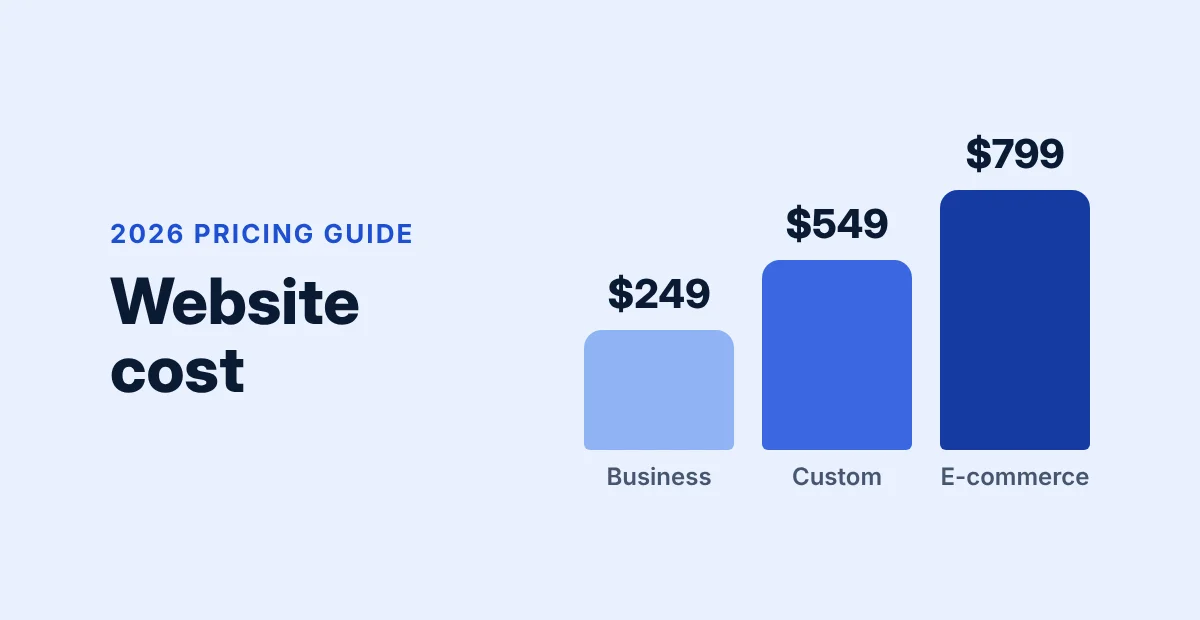
Typical website cost ranges
Template-based sites usually cost less than strategy-led custom builds, while ecommerce, memberships, portals and integrations add discovery, engineering and testing. Treat published price ranges as planning bands rather than quotes. For owners planning a new or redesigned small business website, this decision should connect directly to a realistic scope that supports leads and revenue without paying for features the business will not use. That keeps the discussion grounded in business value instead of surface-level features or assumptions.
What changes the project price
Page count matters, but content preparation, custom design, copywriting, photography, accessibility, integrations, migrations and approval cycles often influence effort more than the raw number of pages. For owners planning a new or redesigned small business website, this decision should connect directly to a realistic scope that supports leads and revenue without paying for features the business will not use. That keeps the discussion grounded in business value instead of surface-level features or assumptions.
Content and SEO costs
A technically sound site still needs useful copy, clear information architecture, keyword research, metadata, internal linking and location or service pages. Content should be budgeted as a core deliverable rather than a late add-on. For owners planning a new or redesigned small business website, this decision should connect directly to a realistic scope that supports leads and revenue without paying for features the business will not use. That keeps the discussion grounded in business value instead of surface-level features or assumptions.
Ecommerce and integration costs
Product data, payments, tax rules, shipping logic, customer accounts, CRM connections and automated follow-up create operational requirements that must be designed and tested across the full customer journey. For owners planning a new or redesigned small business website, this decision should connect directly to a realistic scope that supports leads and revenue without paying for features the business will not use. That keeps the discussion grounded in business value instead of surface-level features or assumptions.
Ongoing website expenses
Hosting, domain renewal, software licenses, maintenance, backups, security monitoring, analytics and content updates continue after launch. Ownership is easier when recurring costs and responsibilities are documented early. For owners planning a new or redesigned small business website, this decision should connect directly to a realistic scope that supports leads and revenue without paying for features the business will not use. That keeps the discussion grounded in business value instead of surface-level features or assumptions.
How to compare proposals
Compare deliverables, assumptions, revision limits, ownership, accessibility, performance, SEO setup, training and post-launch support. A lower headline price can become expensive if important work is excluded. For owners planning a new or redesigned small business website, this decision should connect directly to a realistic scope that supports leads and revenue without paying for features the business will not use. That keeps the discussion grounded in business value instead of surface-level features or assumptions.
Build a practical budget
Separate must-have launch requirements from enhancements that can wait. Fund the pages and systems closest to revenue first, establish a measurement plan and schedule later improvements using real visitor data. For owners planning a new or redesigned small business website, this decision should connect directly to a realistic scope that supports leads and revenue without paying for features the business will not use. That keeps the discussion grounded in business value instead of surface-level features or assumptions.
Build a 30-day implementation plan
Turn the guide into action by choosing one owner, one baseline metric and one outcome for the next 30 days. During week one, document the current state and remove obvious errors. During week two, implement the smallest high-value improvement. During week three, observe real use and collect questions. During week four, compare the new result with the baseline and decide what to standardize, revise or stop.
Keep the plan intentionally narrow. Teams make more progress when they complete one measurable cycle than when they open ten initiatives at once. Store decisions, credentials, content and process notes in systems the team controls. When outside specialists are involved, confirm ownership, access and handoff requirements before work begins.
If you want help translating this plan into a working system, explore DigiDesk’s web development services or book a strategy call.
Frequently asked questions
How much should a small business spend on a website?
Spend enough to support the business goal, required integrations and a reliable launch. A simple informational site needs a different budget from a lead-generation system or online store.
Why do website quotes vary so much?
Quotes vary because teams include different levels of strategy, design, content, development, SEO, testing and support. Compare scope line by line.
Are website builders cheaper?
They can reduce initial build effort, but subscriptions, apps, limitations and staff time still count toward total cost of ownership.
What ongoing costs should I expect?
Plan for hosting, domain renewal, licenses, security, backups, maintenance and periodic content or conversion improvements.
Sources and further reading
Next steps
A realistic scope that supports leads and revenue without paying for features the business will not use starts with a clear baseline and a focused first improvement. Review the checklist, select the action closest to revenue or customer experience and assign it to one owner. Measure what changes, document what the team learns and use that evidence to decide the next investment.